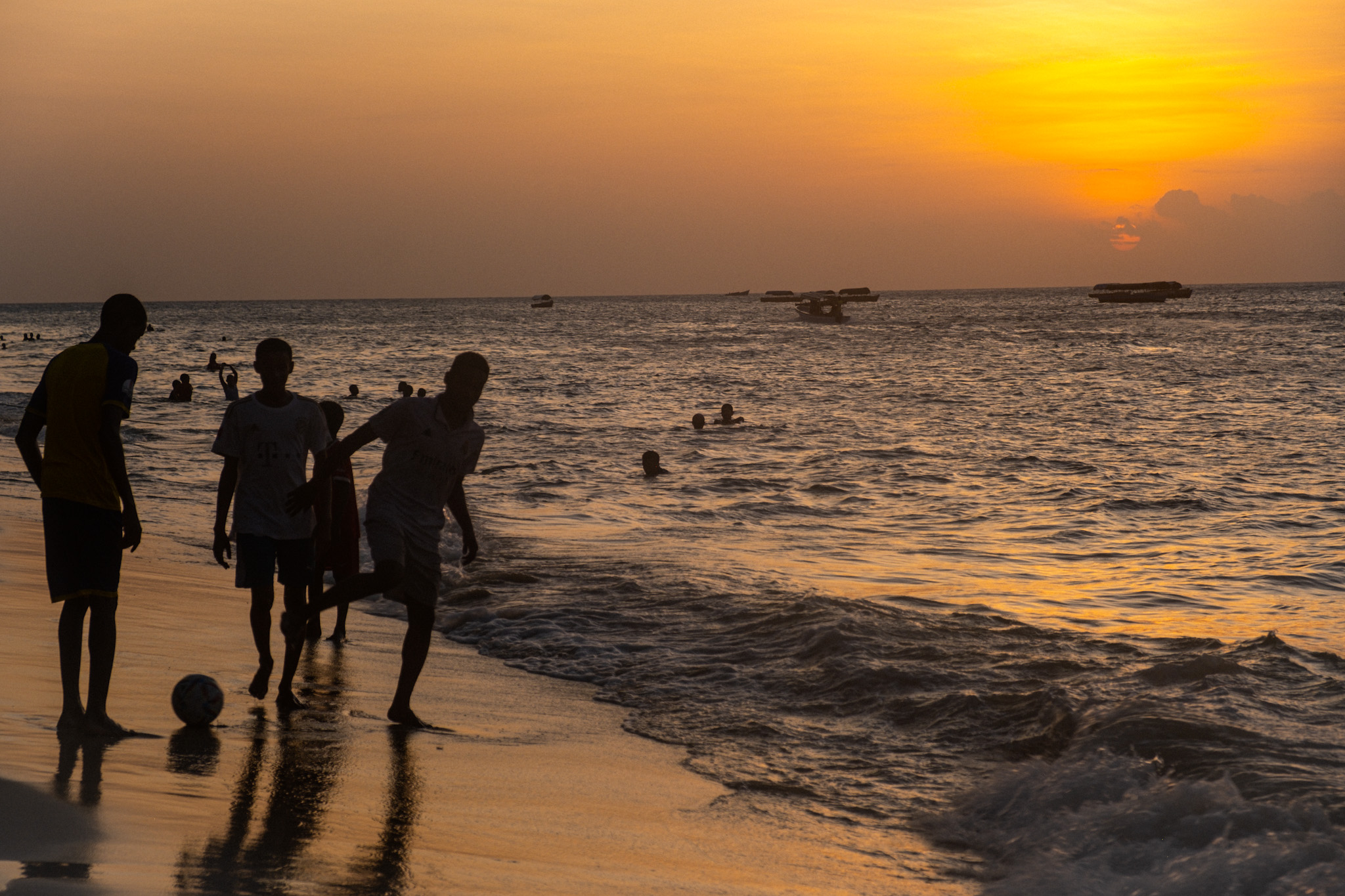
Some islands you visit. Zanzibar, you feel.
I spent my days there moving between centuries — haggling in alleyways older than most countries in the morning, floating over coral gardens by afternoon, eating seafood on a rock in the middle of the ocean by evening. And because Tanzania offers visa on arrival for most African passport holders, it’s one of the easiest bucket-list trips on the continent — no embassy queue required. (Planning around your passport? Read my guide to visa-free travel for African passport holders.)
Here’s everything I did, what it actually costs you in time and energy, and what I’d do differently.
- Get Lost in Stone Town — On Foot
Skip the drive-through version. Stone Town, a UNESCO World Heritage Site, only makes sense at walking pace: carved Zanzibari doors studded with brass, the scent of cardamom drifting from doorways, the call to prayer mixing with taarab music.
A walking tour took me through the old fort, the House of Wonders’ exterior, Darajani Market, and — most importantly — the former slave market site at the Anglican cathedral. That last stop is heavy, and it should be. Zanzibar’s beauty sits on complicated history, and understanding it changes how you see everything else on the island.
Tip: Go early morning or late afternoon. Midday heat in those narrow streets is no joke, and the light for photography is far better at the edges of the day.

- Take a Spice Farm Tour (and Smell Everything)
They don’t call it the Spice Island for marketing. Cloves, nutmeg, cinnamon, vanilla, cardamom — Zanzibar’s spice farms just outside Stone Town built the island’s fortunes for centuries.
The tour is hands-on in the best way: guides crush leaves and bark under your nose and make you guess the spice, weave you palm-frond hats and rings, and someone will inevitably sprint up a coconut palm singing. It’s touristy, yes. It’s also one of the best-value experiences on the island, and the fresh spice bundles at the end make better souvenirs than anything in a gift shop.
Tip: Buy vanilla pods and whole cloves here — a fraction of what you’d pay at home, and the quality is unmatched.
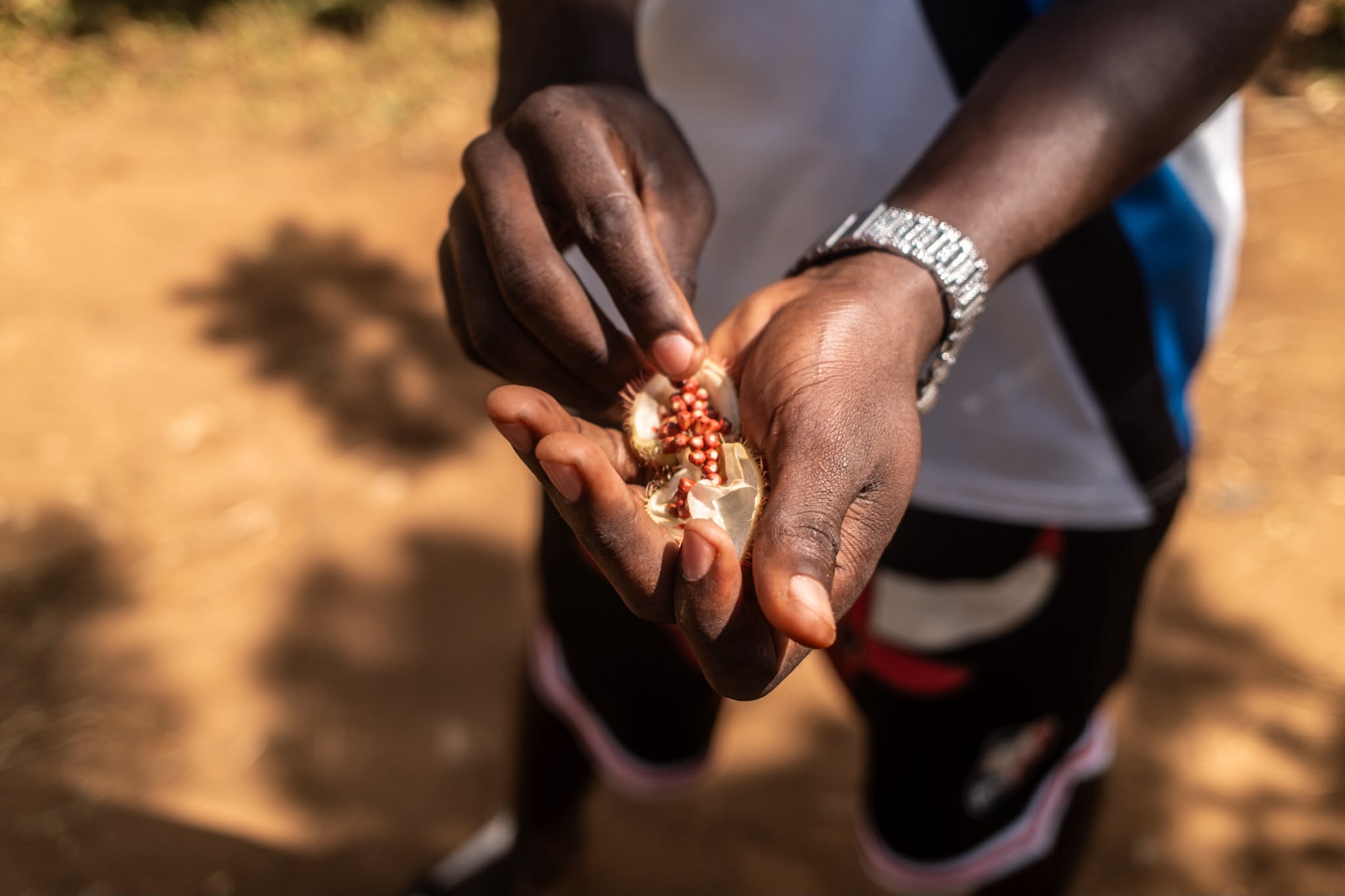
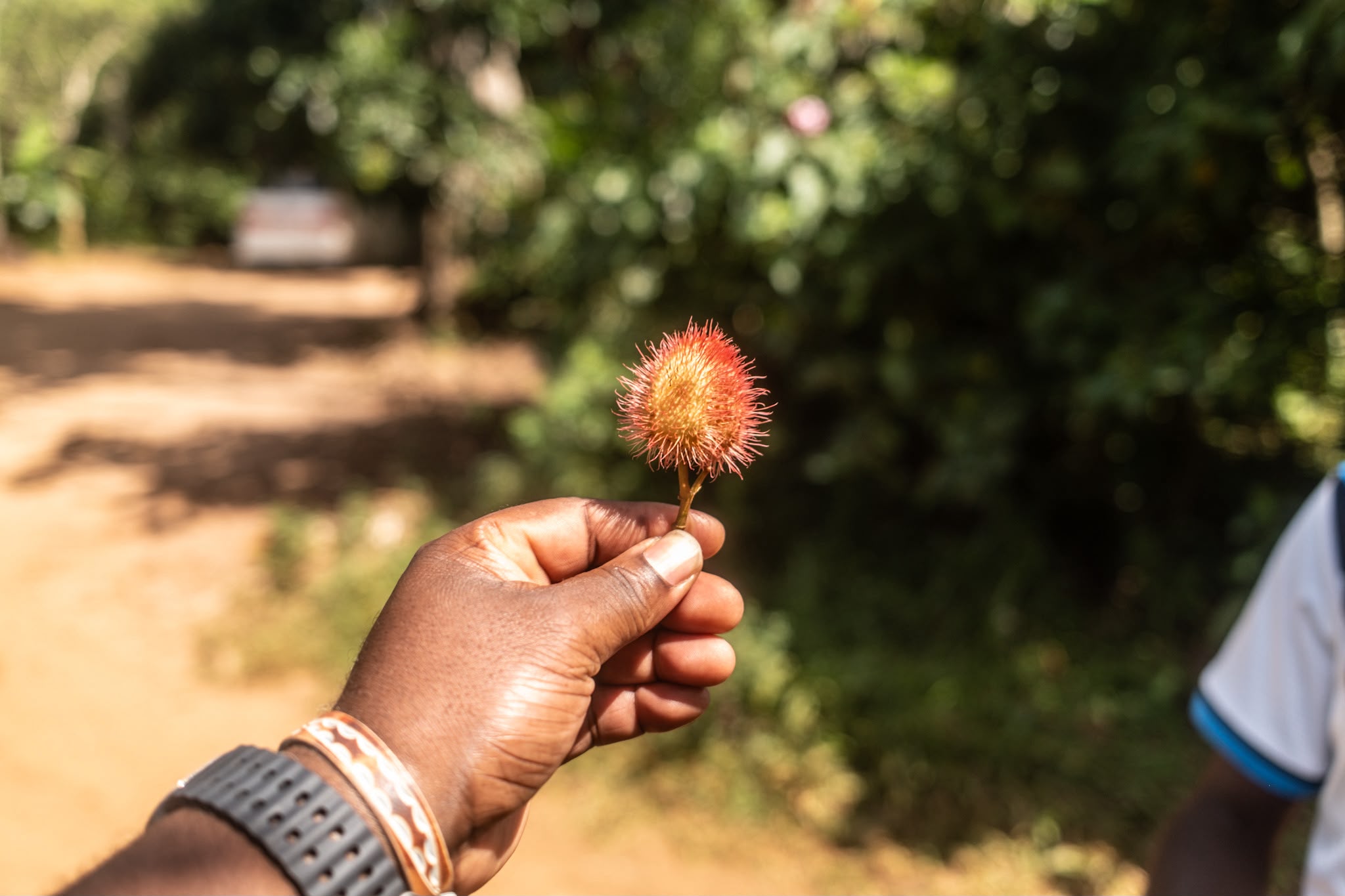
Spice Tour – guide showing the “lipstick” spice.
- Sail to Nakupenda Sandbank
Nakupenda means “I love you” in Swahili, and honestly, fair enough.
It’s a strip of blinding white sand that rises out of the turquoise water near Stone Town — no buildings, no trees, no permanence. You arrive by boat, swim, eat grilled seafood and fresh fruit set up right on the sand, and leave before the tide reclaims the whole thing. It feels like a place that shouldn’t exist, which is exactly why you should go.
Tip: Bring reef-safe sunscreen and a hat. There is zero shade out there, and the sun bouncing off white sand and water is relentless.

- Chase Dolphins Near Mnemba
Off the northeast coast near Mnemba Atoll, pods of dolphins cruise some of the clearest water I’ve ever seen. We spotted them from the boat, then snorkeled the nearby reef — coral heads busy with parrotfish and needlefish just a few meters down.
A word on doing this right: choose an operator that keeps respectful distance and doesn’t chase or crowd the pods. The magic is watching them move on their terms — and the ethical operators tend to find more dolphins anyway, because the animals aren’t fleeing them.
Tip: Go at first light. Calmer seas, more dolphin activity, fewer boats.
- Swim at Kendwa Beach — At Any Hour
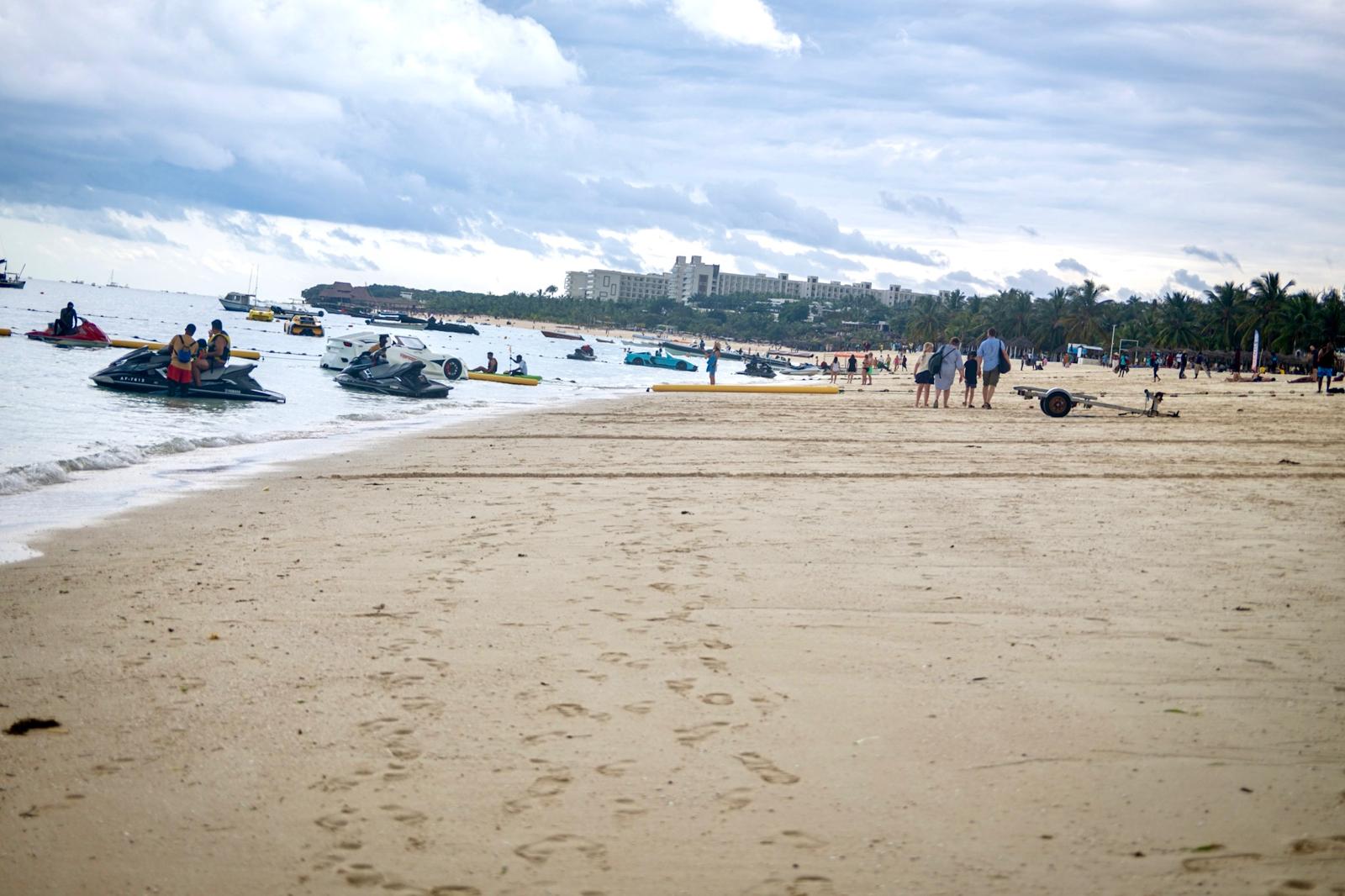
Here’s a Zanzibar secret that saves itineraries: much of the east coast has dramatic tides that pull the ocean hundreds of meters out for parts of the day. Kendwa, on the northwest tip, barely notices the tide — you can swim morning, noon, and sunset.
The result is the island’s most reliable beach day: powder sand, water in impossible shades of blue, and sunsets that empty every beach bar as people wander to the waterline to watch. If you time it right, Kendwa’s full moon parties are legendary — but even on a quiet night, this is where I’d base a beach-heavy trip.
- Eat at The Rock Restaurant
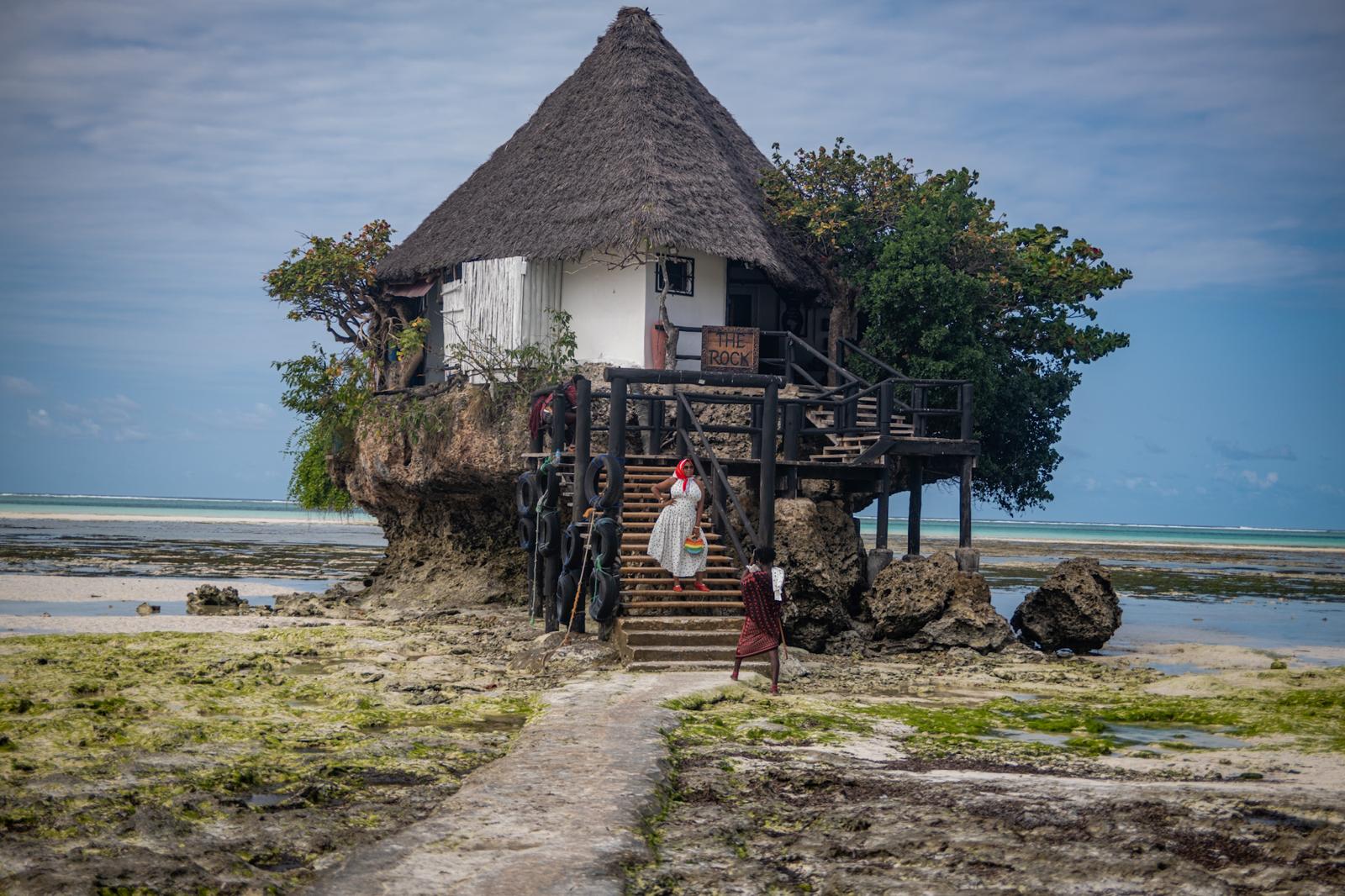
You’ve seen it on every Zanzibar Instagram feed: a tiny restaurant perched on a rock in the Indian Ocean off Pingwe beach. At low tide you walk there; at high tide a boat shuttles you across.
Is it the best food on the island? No — it’s good seafood at a premium. But you’re not paying for lunch, you’re paying for the experience of eating it surrounded by ocean, and as experiences go, it delivers. I’d do it once, without hesitation, and book ahead — the handful of tables fill fast.
Tip: Reserve for late afternoon if you can: you get the tide change and the softening light in one sitting.
- Swim With Rescued Turtles at Salaam Cave
Down in Kizimkazi Dimbani on the southern coast hides one of my favorite surprises of the whole trip: Salaam Cave, an ancient limestone cavern holding a pool of clear, brackish water — and a resident population of green sea turtles.
This isn’t a petting zoo. It’s a small conservation sanctuary where rescued turtles — injured or caught in fishing nets — are rehabilitated by local caretakers before being released back into the ocean. Our guide told us the turtles typically spend around six months in the sanctuary regaining their strength before release day. You swim gently alongside them in the cave pool while the caretakers explain each turtle’s story, feeding habits, and the release program.
The rules matter here: no touching, no holding, no chasing. Float, watch, and let them glide past you. Done right, it’s the kind of encounter that turns tourists into conservation donors.
Tip: Pair it with a south coast day — Kizimkazi is also Zanzibar’s traditional dolphin-watching village, and the drive from Stone Town takes about an hour.
- Stay Somewhere With Character: Le Saint Tropez
I stayed at Le Saint Tropez, a small boutique property in Kidoti on the island’s northern tip, an easy hop from both Nungwi and Kendwa. Just six rooms, an oceanfront pool, and a beach-club energy in the evenings — music, seafood platters, Zanzibari curries — that made coming “home” each night part of the trip rather than a pause in it.
That’s my broader advice for Zanzibar: the island has everything from backpacker hostels to five-star resorts, but the sweet spot is small places with personality, where the staff remember your name and your breakfast order by day two.
Practical Notes Before You Go
- Getting in: Visa on arrival for most nationalities, including most African passports. Carry a yellow fever certificate if arriving from a country with risk of transmission.
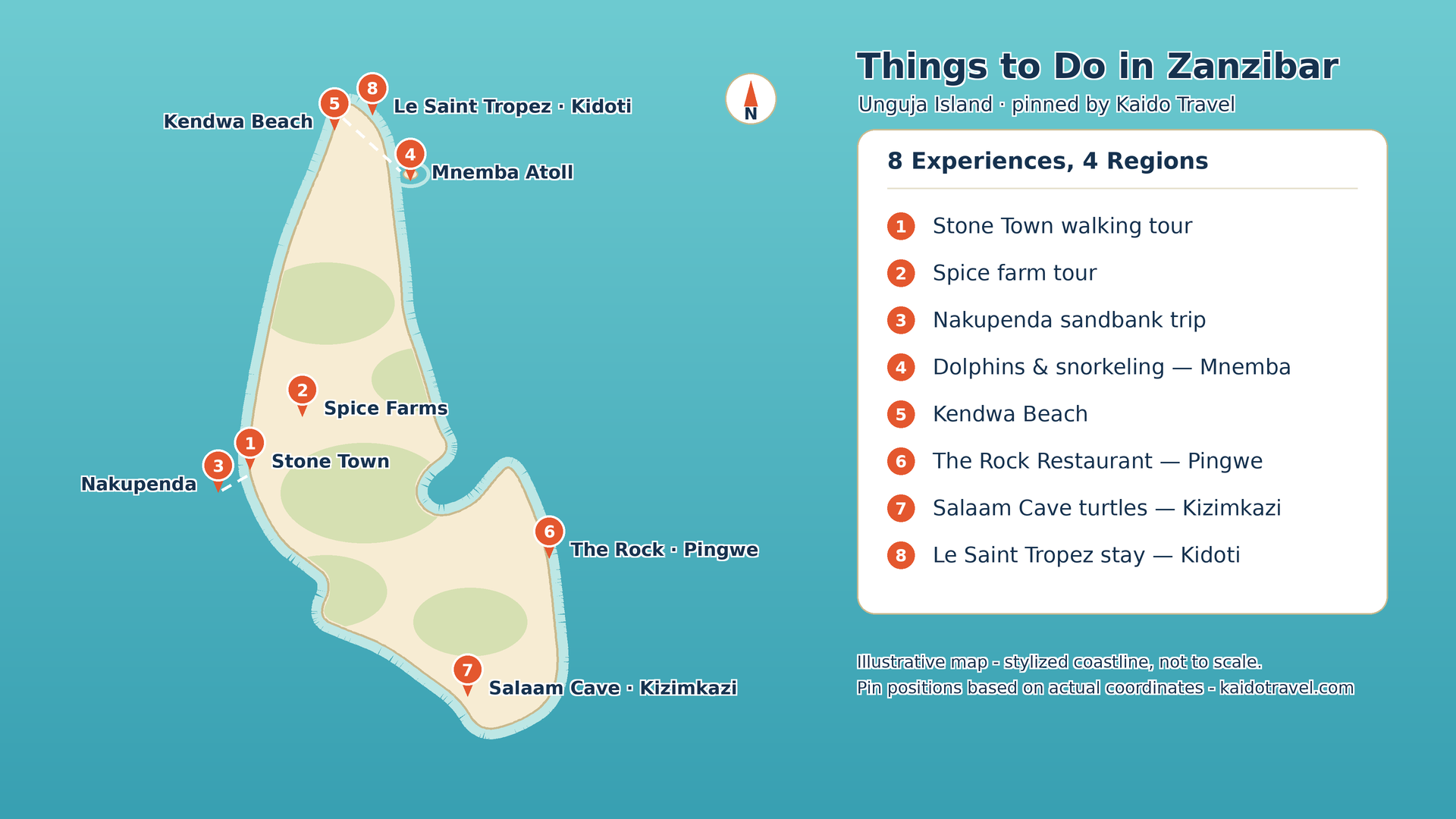
- Getting around: Distances are deceptive — Stone Town to the north coast takes over an hour. Cluster your activities by region: Stone Town + Nakupenda + spice farm together; Kendwa + dolphins together; The Rock on an east coast day; Salaam Cave on a south coast day.
- Money: Carry some cash (USD widely accepted, Tanzanian shillings better for small purchases). Card acceptance is patchy outside hotels.
- Respect: Zanzibar is predominantly Muslim. Beachwear belongs on the beach; cover shoulders and knees in Stone Town and villages.
Was Zanzibar Worth It?
Completely. Few places pack this much variety into an island you can drive across in ninety minutes: history that will humble you, beaches that will spoil you, food that will surprise you, and a warmth from people that stays with you longer than the tan.
And for African passport holders especially, it’s proof of the point I keep making on this blog: some of the world’s most extraordinary travel requires no embassy appointment at all. Just a ticket, a passport, and the decision to go.
Planning your own trip? Subscribe to the Kaido Travel newsletter for itineraries, visa updates, and destination guides built for travelers like you — or start with my guide to visa-free destinations for African passport holders.
FAQ: Visiting Zanzibar
What are the best things to do in Zanzibar? Top experiences include a Stone Town walking tour, a spice farm visit, the Nakupenda sandbank boat trip, dolphin watching and snorkeling near Mnemba Atoll, swimming at Kendwa Beach, swimming with rescued sea turtles at Salaam Cave in Kizimkazi, and dining at The Rock Restaurant in Pingwe.
Can you swim with turtles in Zanzibar? Yes — at Salaam Cave in Kizimkazi Dimbani, a limestone cave sanctuary where rescued sea turtles are rehabilitated before release into the ocean. Swimming alongside them is allowed; touching or holding them is not.
Which Zanzibar beach is best for swimming? Kendwa Beach, on the northwest coast. Unlike the east coast beaches, Kendwa is barely affected by tides, so you can swim at any time of day.
Is The Rock Restaurant worth it? Yes, once — for the setting more than the menu. Book ahead; it has only a handful of tables. At low tide you walk to it, at high tide a boat takes you.
Do African passport holders need a visa for Zanzibar? Tanzania (including Zanzibar) offers visa on arrival for most nationalities, including most African passports. Verify current requirements on Tanzania’s official immigration website before travel, and carry a yellow fever certificate if arriving from a risk country.
How many days do you need in Zanzibar? Five to seven days covers the highlights comfortably: two for Stone Town, the spice farm, and Nakupenda; two to three for the north coast beaches and dolphins; one for the east coast and The Rock; and one for the south coast and Salaam Cave.